
A Multi-Layered Therapeutic Framework
We don't rely on a single approach. Our integrated framework ensures every child receives the right support at the right time.
PACE
Playfulness, Acceptance, Curiosity, Empathy
Developed by Dr. Dan Hughes, PACE is at the core of our approach. Through playfulness we build connections, through acceptance we validate children's feelings, through curiosity we seek to understand their inner world, and through empathy we show them they are not alone. PACE creates the safety children need to begin healing.
Social Pedagogy
Learning Through Relationship & Community
Social pedagogy recognises that care, education, and wellbeing are inseparable. We create 'the common third' — shared activities where staff and children learn alongside each other, building genuine relationships. Every interaction is an opportunity for growth, from cooking together to exploring the outdoors.
Trauma-Informed Care
Understanding & Responding to Trauma
We understand that behaviour is communication. Our trauma-informed approach means every member of staff is trained to recognise the impact of adverse childhood experiences (ACEs) and respond with compassion rather than consequence. We create predictable, safe environments that help regulate the nervous system.
Restorative Practice
Repairing Relationships & Building Empathy
When ruptures happen — as they naturally do — restorative practice provides a framework for repair. Through restorative conversations, children learn to take responsibility, understand the impact of their actions, and develop empathy. This builds emotional intelligence and stronger relationships.
Attachment Theory
Building Secure & Trusting Bonds
Drawing on the work of Bowlby and Ainsworth, we understand that secure attachment is the foundation of healthy development. Our key-worker system ensures every child has a consistent, reliable adult who provides the safety and predictability needed to develop trust and form healthy relationships.
Sensory Integration
Calming the Body to Calm the Mind
Many children who have experienced trauma struggle with sensory processing. We incorporate sensory activities — from weighted blankets and fidget tools to outdoor sensory gardens — helping children regulate their bodies and feel grounded, calm, and in control.
Therapy Beyond the Therapy Room
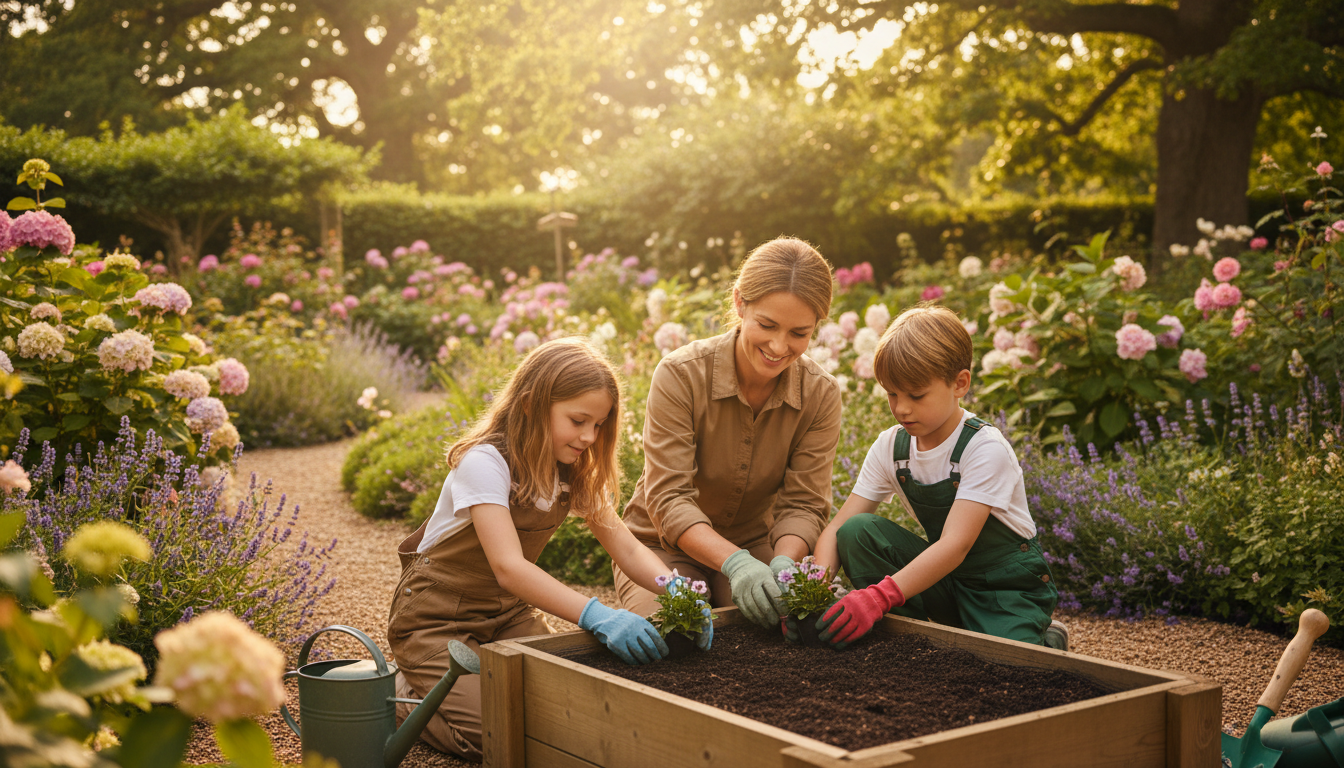
Therapeutic Gardening
Our gardens are living classrooms where children learn patience, responsibility, and the rewards of nurturing something from seed to bloom. Gardening provides a calming, sensory-rich experience that helps children regulate their emotions and develop a sense of achievement.
Working alongside a trusted adult in the garden embodies our social pedagogy approach — the "common third" where genuine relationships are built through shared activity, not formal sessions.
Equine-Assisted Therapy
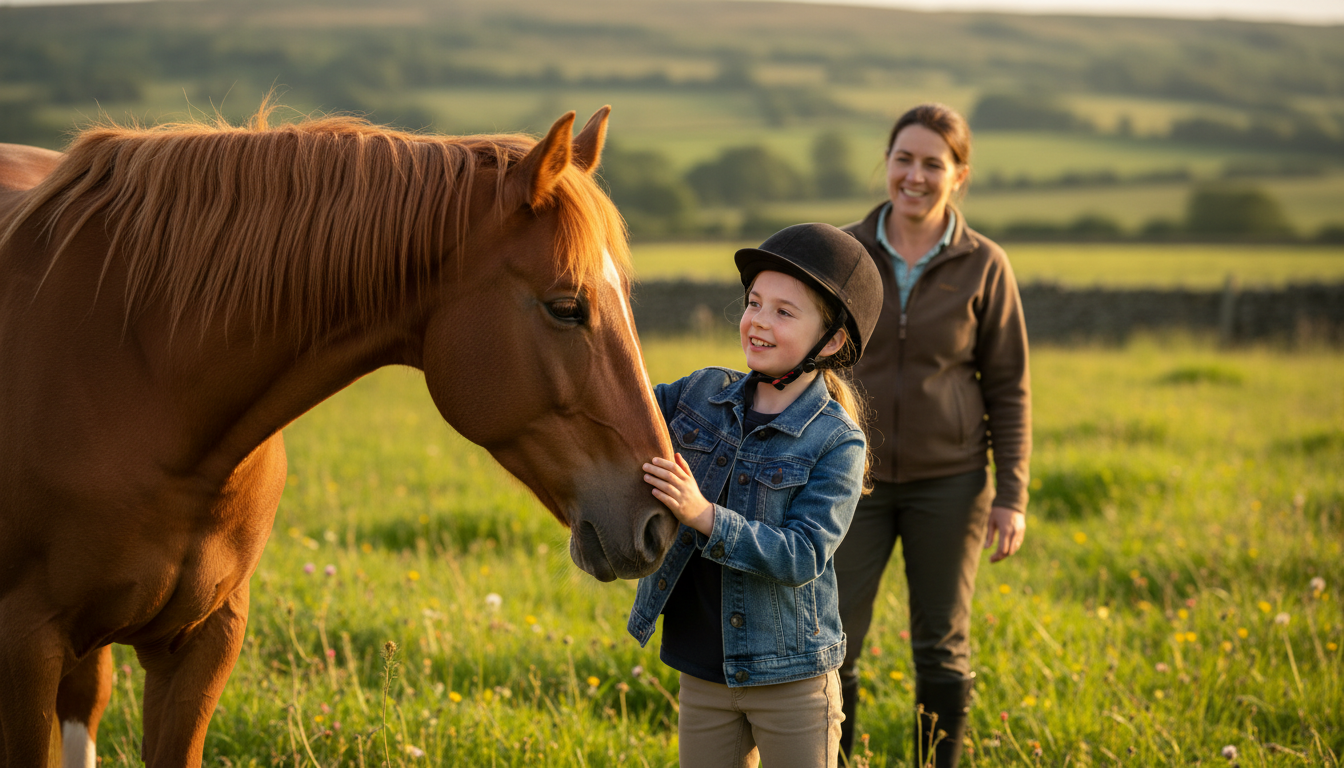
Horses are remarkably attuned to human emotions and provide immediate, non-judgemental feedback. Our equine therapy programme helps children develop trust, emotional awareness, and confidence in a safe, outdoor setting.
For children who have experienced relational trauma, the bond formed with a horse can be a powerful stepping stone towards trusting people again.
Ready to Help a Child Progress?
Contact us today to learn more about our therapeutic homes. Together, we can help shape a brighter future for every young person.